 London Boroughs
 Claude now watermarks its writing, and the interesting part is where the mark runs out
The announcement is easy to summarise and easy to over-read. Since 2 August 2026, every newly launched Claude model marks what it writes. The mark sits not in the words but in which of several equally good words the model picked — the randomness behind that choice is now derived from a secret key and the preceding text, so the pattern is readable with the key and invisible without it.
That much has been widely reported. The limits have not, and they are where the practical questions live.
It needs room to work
The signal only exists where the model had genuine alternatives. A passage of dense fact — dates, figures, names — or a block of code leaves it very little to choose between, so the mark comes out sparse. A very short passage carries too little of it to read at all. Neither case is a failure of the method; it is the method working exactly as described.
It survives some things and not others
Copying and pasting keeps it, and it may persist through light editing. A translation, a thorough paraphrase or a rewrite takes it away. Files are a separate mechanism — .png, .jpg and .svg carry signed C2PA provenance metadata instead, which a screenshot or a format conversion strips entirely.
And it does not name an author
Anthropic's own phrasing is that a detected mark means the text may have been processed by Claude. It cannot distinguish a piece drafted by a model from one a person wrote and asked a model to tidy. Nor is the reading widely available: the detector is in private preview, granted on application to regulators, law enforcement, media, fact-checkers, researchers and educational organisations.
The asymmetry that matters is between a positive result and a negative one. A hit is meaningful, because the pattern it reads is astronomically unlikely to occur by chance. A miss means almost nothing: the passage may be too short, too factual, translated, rewritten, or simply produced by a different model altogether, and each of those looks the same from the outside. Anyone planning to lean on this — a school, an editor, a commissioning desk — should design the process so that it only ever acts on a hit, and treat the absence of a mark as no evidence at all. A rule that reverses those two, and treats unmarked work as suspect, will land hardest on people writing in a second language and on anyone whose prose happens to be tidy.
Source: Anthropic checked against the source
More London news
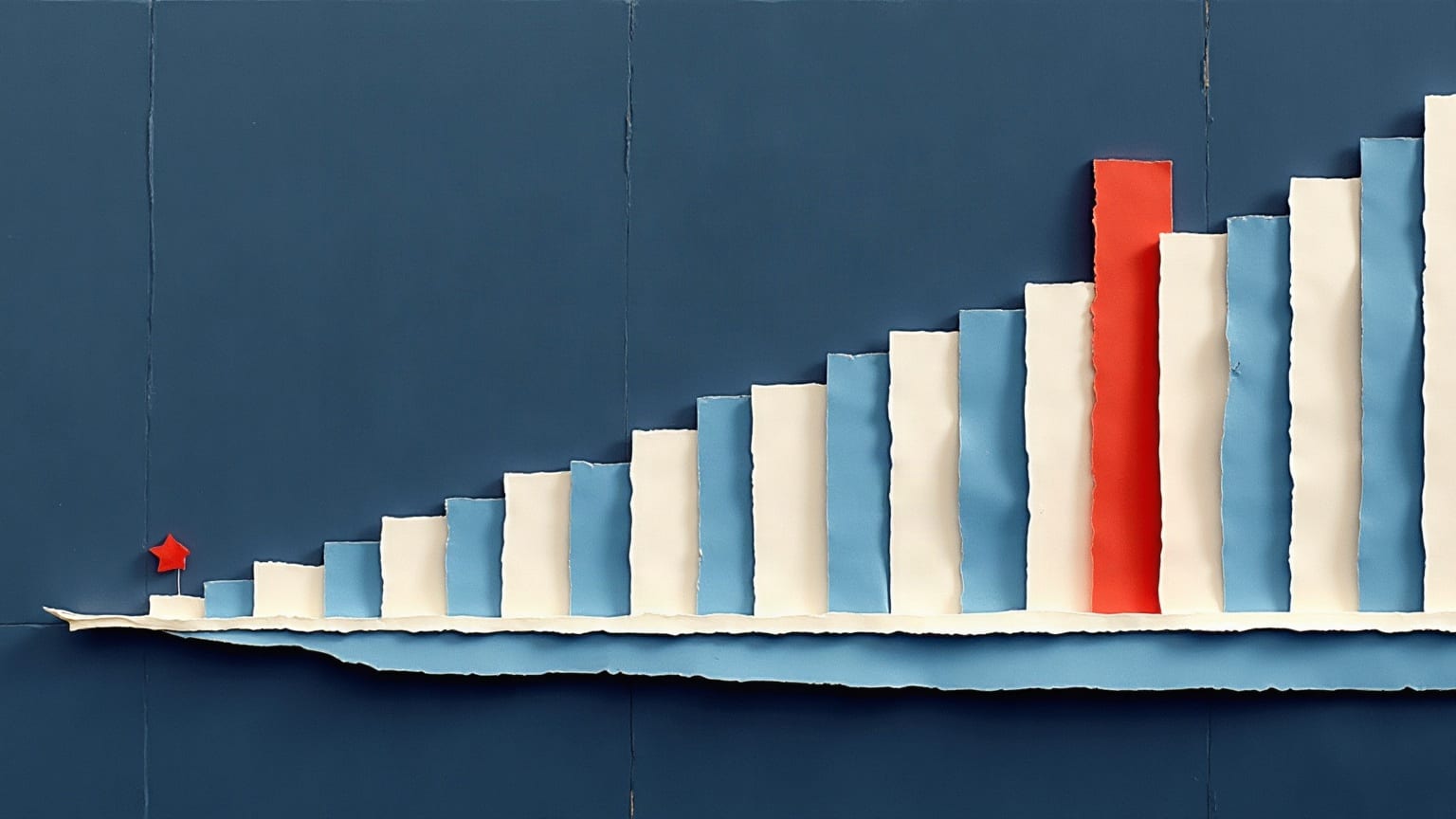
Fifteen years, in figures
For London readers tracking Big Tech: Tim Cook's 15 years at Apple end with a $4tn market value, $416bn revenue and 60% lower absolute emissions.
Lord Mayor's Show 2026: what is on across the City
Plan Saturday 14 November in the City of London: the free Lord Mayor's procession, Guildhall Art Gallery and afternoon walking tours, with times, locations and maps.
Zula comes to Spitalfields
The Marble Arch burger restaurant opens a fast-service sibling at 2e Lamb Street, east London, on Sunday 1 November, with a Spitalfields Wagyu burger the original does not serve.